In today’s rapidly evolving digital marketplace, businesses need an online selling platform that is flexible, growth-oriented, and capable of providing a smooth experience. For U.S. businesses currently using Shopware, a migration to Shopify can unlock significant opportunities. Whether you're facing customization challenges or maintaining an efficient store, Shopify provides a reliable solution to improve your online presence. In this guide, we will explore how migrating from Shopware to Shopify can help businesses thrive, focusing on key aspects like information transfer, product catalog transfer, SEO preservation, and third-party integrations.
1. Key Reasons to Transition from Shopware to Shopify
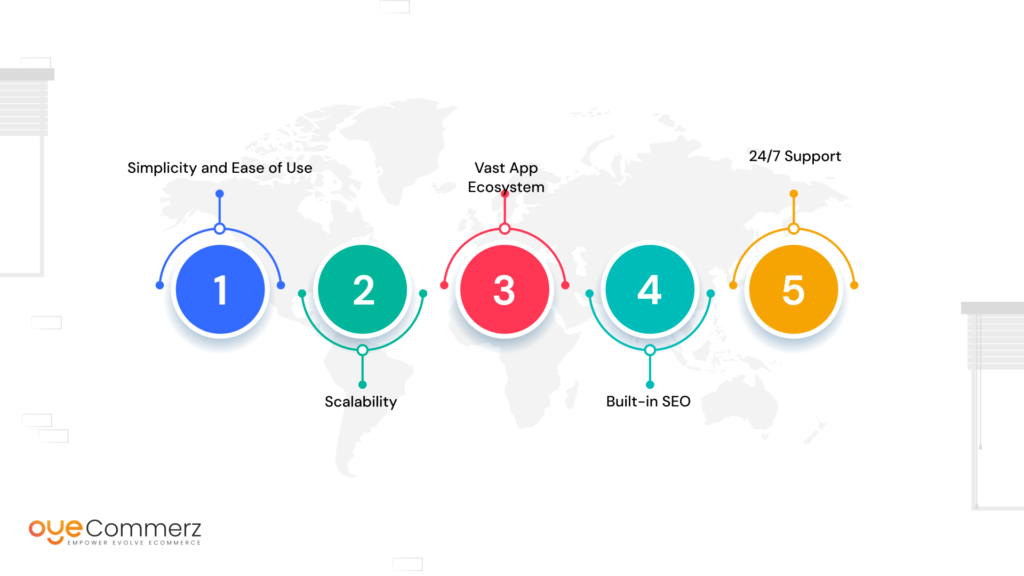
Shopware is a good platform for businesses looking to build a effective online store, but it does have its limitations, especially when it comes to customization and scalability. As your business grows, these challenges can become increasingly apparent. Shopify, on the other hand, offers a user-friendly and adaptable interface, enabling businesses to grow effortlessly. With Shopify’s customizable themes, smooth app compatibility, and strong SEO features, migrating can provide U.S. businesses with a tailored, future-proof solution.
2. Streamlining Your E-commerce Platform Transition
Migrating from Shopware to Shopify isn’t just about changing platforms—it’s about adopting a solution that aligns with your growth. The migration process can appear overwhelming, but with the right approach, it becomes a smooth and efficient transition. By partnering with a specialized provider like OyeCommerz, businesses can ensure their migration process is hassle-free, with few interruptions and optimal results. Our expert team ensures that your e-commerce platform transition is handled with precision, including critical steps such as data migration, product catalog transfer, and SEO preservation.
3. Data Migration: Moving Your Valuable Information
One of the most critical aspects of migration is transferring data. Whether it’s client information, inventory details, or transaction records, all this essential data must be migrated safely and precisely. Shopify makes this process straightforward, allowing businesses to migrate key information without errors or omissions. Ensuring data integrity during migration is vital, as even small errors can disrupt operations. Shopify’s modern features and integrations make this process more efficient, and businesses can rest assured knowing their data is in safe hands.
4. Effortless Product Migration
The product catalog transfer is another important step in migrating from Shopware to Shopify. Shopify allows businesses to migrate inventory, including images, descriptions, pricing structures, and inventory details, with ease. This ensures that your product catalog remains intact, making it easier for you to manage and update your products in the future. Shopify also offers flexible product variants and tailored layouts, enabling you to showcase your products in a way that resonates with your customers.
5. Customer Data Migration: Retaining Valuable Customer Insights
Preserving customer data during migration is essential. Shopify’s secure and efficient migration process allows you to transfer your client records, including order details and profiles, ensuring consistency in engagements and personalized experiences. Maintaining customer loyalty is vital for any business, and by ensuring a smooth transfer, you can continue to target your customers with tailored offers and campaigns. Shopify’s advanced targeting tools further enhance your ability to provide personalized experiences.
6. Retaining Sales Records
Along with customer data, transferring order history is important for businesses. With Shopify’s easy-to-use tools, you can migrate historical transactions, ensuring your workflow remain uninterrupted. This transfer helps you track and manage past transactions, making it simpler to analyze your business performance, inventory levels, and revenue performance. Keeping a detailed order history not only ensures smooth operations but also contributes to a better customer experience.
7. SEO Preservation: Keeping Your Rankings Intact
One of the biggest concerns when migrating from one platform to another is the risk of search engine rankings. Fortunately, Shopify offers tools and strategies to preserve your SEO during migration. By implementing 301 redirects and ensuring proper URLs, Shopify ensures that your site’s SEO is maintained, and search rankings are preserved. This is important for U.S. businesses that depend on organic traffic for visibility. With Shopify’s advanced optimization options, such as customizable metadata and mobile optimization, businesses can boost their SEO even further.
8. Creating Unique Designs with Shopify Themes
Unlike Shopware, which has certain li/mitations in terms of customization, Shopify offers a variety of customizable themes that allow businesses to design a personalized website. With access to both free and premium themes, U.S. businesses can create a website that aligns perfectly with their brand identity. The platform also supports app development, enabling you to include custom functionalities to your store without technical difficulties. Whether you want to integrate a new payment gateway, enhance search functionality, or offer tailored shopping experiences, Shopify’s flexibility allows you to meet your specific needs.
9. Improving Operations with Third-Party Tools
Shopify’s compatibility with third-party tools is another significant benefit over Shopware. From marketing automation and helpdesk solutions to stock control and data insights, Shopify’s app marketplace offers a wide range of options to enhance your store’s functionality. These integrations help you streamline your operations, improve customer experience, and ultimately drive more sales. By integrating with tools like data tracking software, Mailchimp, and various checkout solutions, you can run your store more effectively and grow seamlessly.
10. Custom Functionality: Unlocking New Business Potential
Shopify’s flexibility doesn’t just stop at design and apps—it also offers businesses the ability to create custom functionalities. With Shopify’s powerful developer tools and developer-friendly environment, U.S. businesses can build tailored solutions to meet their unique needs. Whether it’s enhancing functionality like international payment options or advanced analytics, Shopify allows you to implement advanced functionalities that Shopware may not offer. This ability to adapt and expand without restrictions is what makes Shopify a perfect choice for businesses looking to adapt to changing market demands.
11. Final Thoughts on Shopware to Shopify Migration
Migrating from Shopware to Shopify offers great advantages for U.S. businesses looking for adaptability, growth opportunities, and enhanced e-commerce functionality. Whether you’re looking to improve data migration, streamline your product catalog transfer, or ensure SEO preservation, Shopify provides a reliable and user-friendly platform.
The ability to design a unique storefront through Shopify themes, integrate with third-party tools, and develop custom functionality gives you the flexibility to grow your business without limitations.
If you’re ready to make the switch and take your e-commerce to the next level, consider working with OyeCommerz for a smooth transition. Contact us today to begin the process and elevate your e-commerce business to new heights.
Looking for a better e-commerce platform? Let’s talk about Managing product catalog during migration how Shopify migration can transform your business today!